Celebrity Stamp Collecting Guide: Discount Stamps Make Collecting Easier for Beginners

Have you ever stared blankly at a stamp with the image of Einstein, Elvis, or Lincoln on it in a museum or online?
They look like more than just pieces of paper; they’re like a piece of history preserved in time. You desperately want to own them, but the next second a voice in your head tells you, “They must be so expensive!” “Isn’t stamp collecting something only rich, idle old men do?”
That’s completely wrong.
As a veteran who has been in the stamp collecting world for many years, I want to tell you a secret that many “high-end collectors” deliberately ignore: collecting celebrity stamps does not require being extremely wealthy.
In fact, if you understand how to utilize “discount stamps” and the rules of the secondary market, you can bring home a miniature portrait of a historical giant for the price of a cup of coffee. Today, I’ll guide you step-by-step on how to embark on the highest level of collecting in the most “frugal” way.
I. What are “celebrity stamps”? Why are they worth collecting?
In the philatelic world, these stamps have a special category: commemorative stamps.
Unlike ordinary stamps that feature national flags or the Liberty Bell and are simply for sending letters, celebrity stamps are specially issued by the postal service to pay tribute to historical figures or celebrities.
They are typically larger in size, more exquisite in design, and more sophisticated in printing process.
By collecting a stamp featuring Martin Luther King Jr., you are collecting a microcosm of the civil rights movement.
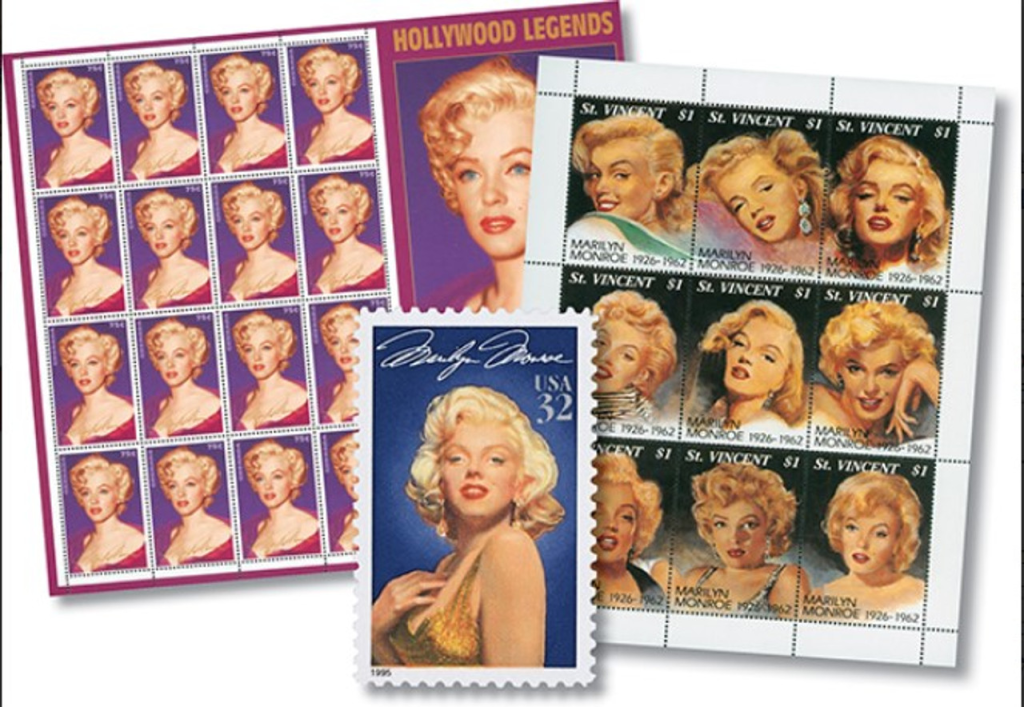
By collecting a Marilyn Monroe stamp, you possess a slice of Hollywood’s golden age.
They are both national symbols and miniature works of art. That’s why we like to put them in our booklets even if we don’t send letters.
II. Why do they usually seem “unattainable”?
If it’s so good, why do so many people think it’s expensive?
Because the market always hypes up “scarcity.” The following factors typically drive up prices:
Mint Condition (Complete/Original Gum): Just like unopened figurines, stamps in perfect condition are always the most expensive.
Limited Issue: Also known as “out of print.”
Popular themes: Global top celebrities like Princess Diana and The Beatles have high demand, so prices naturally rise accordingly.
The 19th century and a presidential ticket from 2024 have vastly different prices.
However, what’s expensive are “top-tier collectibles,” not “entry-level collectibles.” This is the most common misconception among beginners.
III. Unveiling the Mystery of “Discount Stamps”: A Misunderstood Shortcut to Getting Started
This is the core of this article: How to use the “discount” mindset for collecting?
The “discount stamps” here do not refer to post office discounts (USPS does not offer discounts), but rather to stamps sold on the secondary market at prices lower than face value or catalog price.
1. Auctions & Estate Sales
Many veteran collectors, upon retiring from the hobby, will package and sell their entire collections. Buyers, eager to quickly recoup their investment, often sell these at prices significantly below list price. This is similar to an “outlet” sale in the philatelic world. You can find “Postal Sale” stamps sold in bundles on eBay or professional stamp auction websites.
2. The allure of “used stamps”
Who says collecting has to be brand new? For beginners, used stamps are the best value. A brand-new 1930s celebrity stamp might cost tens of dollars, but a postmarked one might only cost a few cents. Moreover, many collectors (including myself) believe that the black postmark actually adds to the historical weight—it proves that the stamp truly fulfilled its purpose.
3. Bundles and Annual Books
Many dealers sell themed sets (such as the “US Presidents Series” or the “Hollywood Legends Series”) as packs. These packs are usually priced significantly lower than the total cost of buying them individually.
IV. How can beginners “find hidden gems”? Selection strategies
If you don’t want to waste money, you have to learn how to choose.
1. Prioritize topics: Choose people you know.
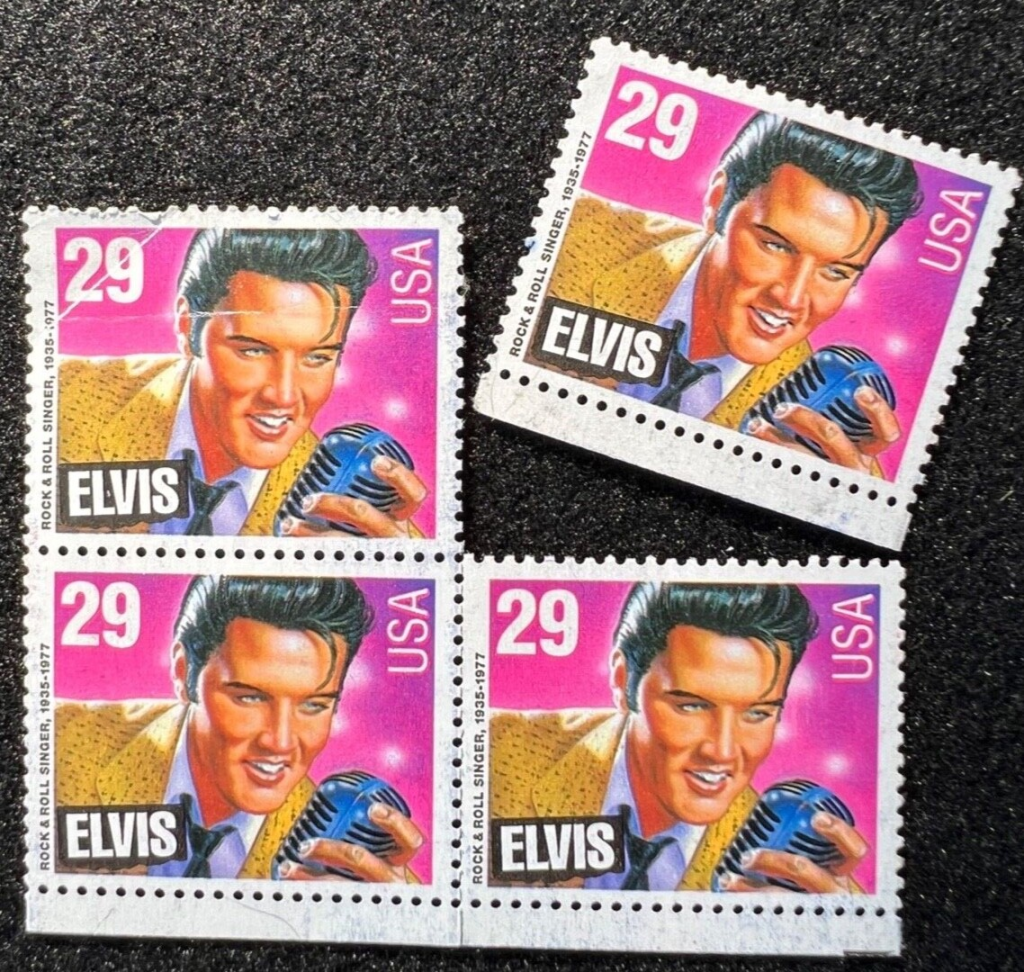
Don’t jump straight to buying “18th-century generals”—if you don’t even know who they are, you’ve already missed out on half the fun of collecting. Start with something you’re familiar with: Love movies? Look for Grace Kelly. Love science? Look for Einstein. This emotional connection is more important than investment potential.
2. Status and Version: Proceed according to capacity.
Mint (New Ticket): Suitable for perfectionists with a certain budget.
Used stamps: Suitable for those with a limited budget or those who enjoy studying postmarks.
Booklet/Sheet: If you particularly like a certain character (for example, a new stamp that might be released in 2025), buy a whole sheet to keep. The potential for future appreciation is greater than that of a single stamp.
3. Budget control: Set a red line for yourself
Let’s set a rule: for example, “no more than $5 per item.” Within this range, enjoy the fun of “bargain hunting” instead of being held hostage by prices.
V. Collection and Preservation: Don’t Let Your Investment Go to Waste
I’ve bought them; what should I do with them?
Never just tuck a stamp into a book! The acidic substances in the paper will ruin it.
Essential tool: an acid-free stamp album (stockbook).
Environment: Moisture and light protection are important. Moisture will cause the adhesive to stick together, and sunlight will cause the design to fade.
Tip: Develop the habit of using stamp tweezers, as the oil on your hands is a hidden killer of stamps.
VI. Risk Warning: Are cheap products always of poor quality?
Discounts may seem tempting, but be wary of potential traps.
Forgeries: Especially some high-priced early celebrity tickets. If the price is ridiculously low (e.g., 10% off), it is most likely a color photocopy.
Repaired stamps: Some people repair damaged stamps and sell them as mint condition.
Cinderella Stamps: They look like stamps with celebrity portraits printed on them, but they are just stickers and have no collectible value (unless you specifically collect this type).
Solution: Purchase from reputable platforms, check seller reviews, and request certificates for valuable tickets.
VII. A “Starting Roadmap” for Beginners
Week 1: Choose a person or field that interests you (e.g., “Nobel laureates”).
Week 2: Look for “Stamp Packets” on this theme at discount stamp vendors or on eBay, and spend some money to buy a large pack.
Week 3: Buy a beginner-level stamp album and a pair of tweezers, and start sorting and organizing.
One month later: Looking at the filled pages, you’ll realize that you’ve become a novice collector.
Want to start your Hall of Fame journey?
You don’t need to wait until you get rich. Go find those historical fragments scattered in the corners of the market now.
FAQ: Frequently Asked Questions for Beginners
Q: What are “Discount Stamps”? A: These are stamps obtained through auctions, the secondary market, or clearance sales. They may be brand new or used, but the price is usually lower than the official issue price or catalog price.
Q: Can celebrity stamps acquired secondhand/at auction still be collected? A: Of course! As long as they are in good condition (no creases, no missing perforations, no stains), they have the same collectible value as new stamps bought from the post office and may even have more character due to the marks of time.
Q: How to identify counterfeit tickets? A: Check if the perforations are even, check for halftone dots in the printing (genuine tickets are usually engraved or high-precision offset printed), and check the paper texture. The simplest method: Only buy from reputable sellers.
Q: I’m a beginner with a limited budget; where should I start? A: I recommend buying “Mixture” or “Year Set.” These bundled purchases have extremely low individual stamp costs, making them perfect for practicing.