Science and Space Stamp Collecting Guide: A Beginner’s Guide to Discount Stamps and Their Uses: Education, Gifts, and Science Activities

You think space stamp collecting is expensive?
That’s because you haven’t found the right approach.
As a seasoned stamp collector, I often hear parents complain: “My child loves astronomy, but this hobby is too expensive. Telescopes cost thousands, and models cost hundreds…”
Actually, you’ve overlooked the world’s cheapest and most exquisite miniature encyclopedia—stamps.
Today, I’m going to teach you a strategy that many people overlook: using “discount stamps.” For just a few dollars, you can bring home the entire solar system, a fleet of space shuttles, and the Hubble Telescope. These aren’t just collectibles; they’re high-quality, low-cost STEM educational materials.
Why are “discount stamps” the best entry point for space enthusiasts?
First, we need to dispel a misconception: cheap doesn’t mean low quality.
The USPS issued a massive number of space-themed stamps in the 1980s and 1990s (such as the “Space Achievements” series in 1981). Due to the huge print runs at the time, these stamps are now plentiful on the secondary market.
What does this mean? It means that you can often buy these brand-new, genuine tickets for less than face value, or even at bargain prices.
For educators/parents: You can buy a whole bag for your child to play with without any pressure, and you don’t have to worry about breaking the “family heirloom.”
For gift makers: You can obtain visually striking materials at a very low cost.
II. STEM Education in Practice: Bringing the Universe into the Classroom
Stop letting your child just swipe through star charts on an iPad. The physical texture and details of stamps can provide a completely different learning experience.
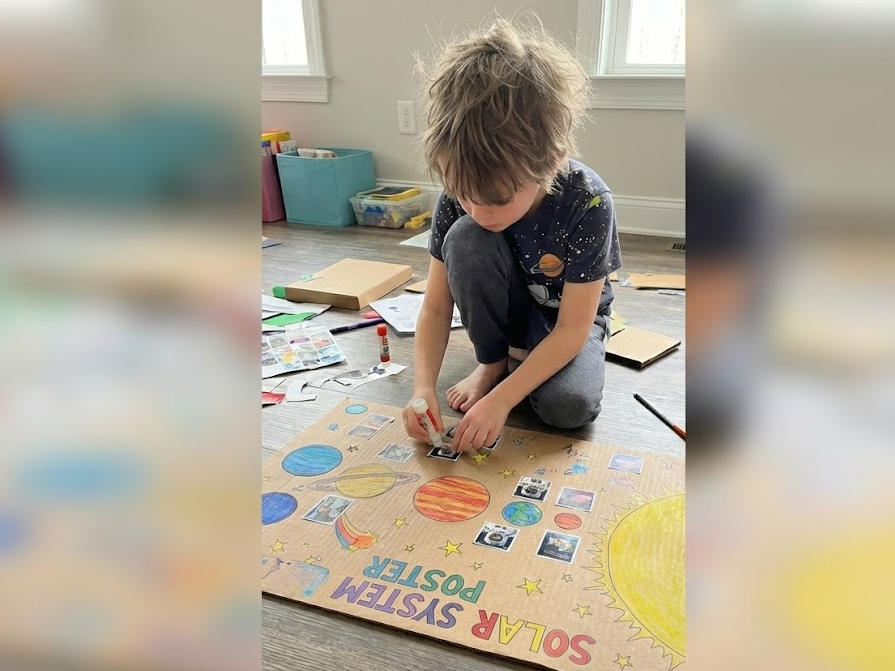
1. The Solar System Challenge
Materials: Find the “Space Exploration” series issued in 1991 or the “The Planets” discount stamps issued in 2023. How to play: Shuffle the stamps of the eight planets and have the child rearrange them according to their “distance from the sun.” Each stamp features a unique characteristic of a planet (such as Jupiter’s Great Red Spot and Saturn’s rings), making this a highly intuitive astronomy teaching tool.
2. Rocket Evolution Timeline
Materials: Various rocket stamps from a mixture. How to play: Draw a timeline on a long strip of paper. Have the child identify the early Saturn V, the middle Space Shuttle, and the current SLS rocket from the pile of stamps. Paste them in chronological order. This is not only a history lesson but also a history of technological development.
3. The Universe Under the Microscope
Materials: Any high-precision space stamp. How to play: Give your child a magnifying glass. Let them observe the lens structure of the Weber Telescope on the stamp or the details of the badge on the astronaut’s spacesuit. You’ll be amazed at how many secrets, invisible to the naked eye, are hidden in the USPS’s engraving and offset printing processes.
III. Creative Gifts: Low Budget, High-End
The worst thing about gift-giving is that it’s “tacky.” A set of carefully designed space stamps is a thoughtful gift that shows your taste without costing you much money.
1. A framed painting of “One Giant Leap Forward for Mankind”
Cost: Approximately $15 Instructions: Purchase an original 1969 “First Man on the Moon” large-format stamp (it’s a classic but not expensive due to its large print run). Frame it in a dark blue frame, place a black cardstock underneath, and write Armstrong’s famous quote in silver pen. This would be an eye-catching addition to any study for a friend who enjoys history or technology.
2. “The Universe on My Birthday” Custom Card
Cost: Approximately $5 Method: Check if any major space events (such as a launch or docking) occurred on your friend’s birthday. Find the corresponding commemorative stamp (which will likely only cost a few cents), stick it on the birthday card, and include the story behind it. This creates a sense of “exclusivity.”
IV. Science Activities and Parties: A Feast for the Eyes
If you’re hosting a science-themed birthday party or a school science fair, stamps are the perfect atmosphere kit.
1. The “password” in the invitation letter
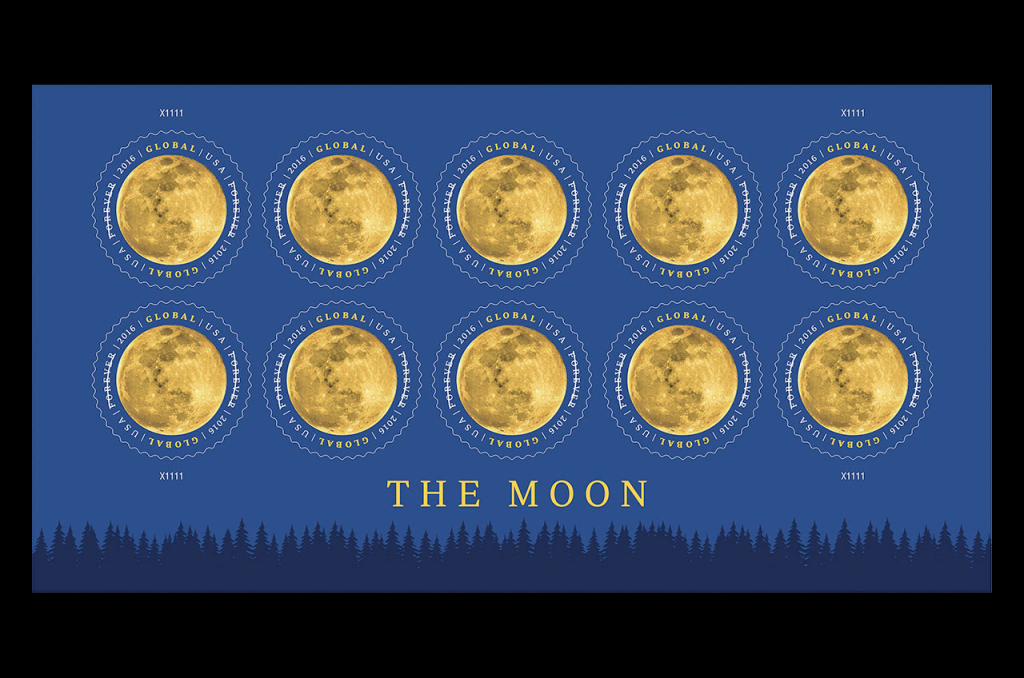
Forget sending e-invitations. Buy a set of “Global Forever” lunar stamps or the “Space Views” series. Stick them on dark blue envelopes and mail them out. Tell your guests, “Take this stamp with you when you board our spaceship.” This sense of occasion is something no mass-sent message can provide.
2. The “space passport” at the check-in area
How to play: Each guest will be given a booklet (“Space Passport”). Checkpoints will be set up in different activity areas (such as the “Rocket Launch Area” and the “Crash Excavation Area”). For each completed task, instead of a stamp, guests will receive a different space stamp as a reward to affix to their passport. At the end of the activity, they will have their own personalized stamp album.
V. Purchasing Guide: How to Get a “Genuine Discount”?
To fully enjoy these products, the key is to buy them cheaply and make the right purchases.
1. Which version should I buy?
For crafts/teaching: Buy “Kiloware” (used stamps sold by weight) or “Used Packets.” These stamps are already stamped and are very cheap (maybe a few cents each), so you can cut and paste them as you like without feeling bad.
For gifting/collecting: Buy “Mint NH” (brand new, undecorated). Go to the discount suppliers we recommend and look for full sheets of stamps from the 80s and 90s; they are often cheaper than face value.
2. Recommended beginner series (large quantity, affordable, and attractive)
1981 Space Achievement (set of 8): Includes Space Shuttle, Moon Landing, and Spacewalk, with a very classic design and consistently low price.
1991 Space Exploration (set of 10): Featuring the nine planets (Pluto was included at the time) and a lunar probe, brightly colored and suitable for children.
3. Guide to Avoiding Pitfalls
Be wary of fancy “stamps” featuring Mickey Mouse flying a spaceship or issued by some unknown island nation. These are usually commercially printed (wallpaper stamps), have no collectible value, and cannot be used to send mail in the United States. Look for the “USA” logo.
Bringing the universe home doesn’t require building rockets.
All it takes is a little creativity and a few carefully selected discount stamps.
Whether pasted on a notebook or framed in a picture, these small pieces of paper tell the grandest stories in the quietest way.
Ready to launch your low-cost space program?
[ Click here to see our discounted stamps and make science accessible >> ]